
Proven Short-Term Rehab Hartford CT Seniors Trust
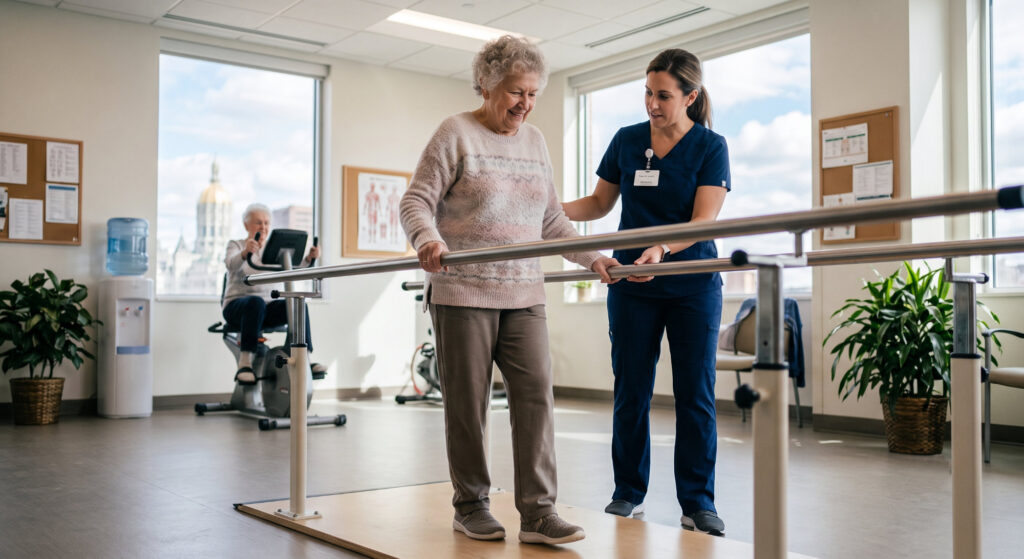
Recovering from surgery is rarely a simple process, especially for older adults. Even after a successful hospital stay, many seniors need additional support before they can safely return home. At Avery Heights, we offer Proven Short-Term Rehab Hartford CT Seniors Trust.
Strength, mobility, balance, endurance, and confidence often take time to rebuild. That is why families frequently search for short-term rehab Hartford CT options that provide both clinical expertise and compassionate care during recovery.
At Avery Heights, short-term rehabilitation is designed to help older adults regain independence after surgery while receiving personalized care in a comfortable senior living environment.
Whether someone is recovering from a joint replacement, cardiac procedure, stroke, fracture, or another major medical event, rehabilitation focuses on helping residents heal safely and return to daily life with greater confidence.
For families navigating discharge planning from hospitals, understanding what happens during short-term rehabilitation can make the transition less overwhelming. Knowing what to expect also helps families feel more confident when choosing the right rehabilitation setting for a loved one.
What is Short-Term Rehabilitation?
Short-term rehabilitation is a temporary stay focused on recovery after surgery, illness, injury, or hospitalization. The goal is to help seniors regain strength, mobility, and independence so they can safely transition back home or to their prior living arrangement.
Unlike long-term nursing care, short-term rehab is highly goal-oriented. Care plans are built around measurable progress, including improving walking ability, rebuilding endurance, managing pain, and safely completing everyday tasks such as dressing, bathing, and preparing meals.
For seniors, recovery after surgery can be more complex because aging bodies often heal more slowly. A supportive rehabilitation environment helps reduce the risk of falls, medication complications, infections, and hospital readmissions.
This is one reason why post-surgery rehabilitation senior living communities continue to play an important role in senior healthcare. At Avery Heights, rehabilitation combines skilled nursing support with therapy services tailored to each resident’s condition and recovery goals.
Who Benefits from Short-Term Rehabilitation?
Many older adults benefit from rehabilitation following hospitalization. Common reasons for entering a short-term rehab program include hip replacement surgery, knee replacement surgery, cardiac surgery, stroke recovery, fracture rehabilitation, spinal procedures, pneumonia or respiratory illness recovery, and general deconditioning after hospitalization.
Even seniors who were previously active may experience weakness and fatigue after surgery. Tasks that once felt routine can suddenly become physically demanding. Rehabilitation bridges the gap between hospital care and independent living by helping seniors safely rebuild their abilities step by step.
Families are often surprised to learn how much recovery support is needed after discharge. Hospital stays are typically shorter than they once were, which means patients often leave the hospital before they are fully ready to manage daily life independently. Rehabilitation provides continued monitoring and therapy during this critical phase of healing.
What Happens after Hospital Discharge?
The transition from hospital to rehabilitation usually begins before discharge. Hospital care teams coordinate with rehabilitation providers to ensure continuity of care and safe recovery planning.
Once a resident arrives at Avery Heights, the rehabilitation team conducts a comprehensive assessment that may include mobility evaluation, pain management review, medication assessment, nutritional evaluation, cognitive screening, fall risk analysis, and therapy planning.
This assessment helps create an individualized recovery plan based on the resident’s medical needs, personal goals, and physician recommendations.
For example, someone recovering from knee replacement surgery may focus heavily on physical therapy and walking endurance. A resident recovering from cardiac surgery may need a more gradual therapy schedule with close monitoring of stamina and vital signs.
Recovery plans are never one-size-fits-all because every surgery and every patient experience is different.
Physical Therapy after Surgery
Physical therapy is often one of the most important components of short-term rehabilitation. The primary goal is to restore movement, strength, flexibility, and balance while reducing pain and preventing complications.
Therapists work closely with residents to improve mobility in a safe and structured way. Therapy sessions may include walking exercises, balance training, stair navigation, strength-building exercises, range-of-motion therapy, and transfer training for getting in and out of bed or chairs.
For many seniors, the emotional side of recovery matters just as much as the physical aspect. Fear of falling or reinjury can slow progress. Skilled therapists help residents rebuild confidence while encouraging steady improvement at a pace appropriate for their condition.
At Avery Heights, therapy programs are designed to support both recovery and independence, helping residents regain the skills they need for daily life.
Occupational Therapy and Everyday Independence
Recovery is not only about walking again. Seniors also need to regain the ability to perform routine activities safely and comfortably. Occupational therapy focuses on practical daily tasks that support independent living. Depending on the resident’s needs, therapy may address:
- Bathing and grooming
- Dressing independently
- Meal preparation
- Safe bathroom use
- Energy conservation techniques
- Adaptive equipment training
Occupational therapists often recommend strategies or tools that make daily life easier during recovery. These adjustments can significantly reduce frustration and improve safety after discharge.
For families, occupational therapy also provides valuable guidance on how to prepare the home environment for a safer transition after rehabilitation ends.
Skilled Nursing Support During Recovery
Therapy alone is not enough for many post-surgical patients. Seniors recovering from surgery often require ongoing medical oversight and nursing care during rehabilitation.
Skilled nursing services may include medication management, wound care, pain management, monitoring vital signs, managing chronic conditions, coordinating physician care, and preventing complications.
Pain management is especially important during rehabilitation. Proper pain control allows residents to participate more fully in therapy while supporting healing and comfort.
At Avery Heights, the rehabilitation experience combines clinical care with a supportive senior living environment that helps residents feel more comfortable during recovery.
Nutrition and Recovery
Healing after surgery requires proper nutrition. Older adults recovering from illness or surgery may experience reduced appetite, fatigue, or dietary restrictions that affect recovery speed.
Nutritional support during rehabilitation helps residents maintain energy and support tissue healing. Balanced meals, hydration, and dietary monitoring all contribute to better recovery outcomes.
Protein intake is particularly important after surgery because it helps support muscle repair and strength rebuilding. Nutritional teams often work alongside nursing staff and therapists to ensure recovery plans address the whole person rather than focusing only on mobility.
Emotional Recovery Matters Too
Surgery and hospitalization can be emotionally difficult experiences for seniors. Temporary loss of independence, pain, fatigue, and uncertainty about recovery can create anxiety or discouragement.
A supportive rehabilitation setting can make a major difference in emotional well-being. Social interaction, compassionate staff, encouragement from therapists, and a calm environment all contribute to a healthier recovery experience.
Families also benefit from reassurance and communication during rehabilitation. Knowing a loved one is receiving attentive care often reduces stress during what can otherwise feel like an overwhelming period.
At Avery Heights, rehabilitation emphasizes dignity, comfort, and individualized support throughout the recovery process.
How Long Does Short-Term Rehab Last?
One of the most common questions families ask is how long rehabilitation will take. The answer depends on several factors, including the type of surgery, overall health, mobility before hospitalization, and progress during therapy.
Some seniors may stay for only a few weeks, while others require longer rehabilitation periods. In general, short-term rehab may last anywhere from several days to several weeks.
Recovery timelines vary because every patient heals differently. A relatively healthy senior recovering from joint replacement surgery may progress quickly, while someone managing multiple medical conditions may need additional support.
The rehabilitation team regularly evaluates progress and adjusts care plans as recovery continues.
Does Medicare Cover Short-Term Rehab?
Another important concern for families is cost. In many cases, Medicare may cover short-term rehabilitation services when certain conditions are met.
Typically, coverage may apply if:
- The patient had a qualifying hospital stay
- A physician recommends skilled rehabilitation care
- Skilled nursing or therapy services are medically necessary
Coverage details can vary depending on insurance plans, length of stay, and specific medical needs. Families are encouraged to review Medicare guidelines and speak directly with admissions or care coordinators to better understand eligibility and benefits.
Understanding financial coverage early in the discharge planning process can help families make more informed rehabilitation decisions.
Why Families Choose Avery Heights for Rehabilitation?
When evaluating short-term rehab Hartford CT options, families often look for more than therapy services alone. They want reassurance that their loved one will receive attentive care in a welcoming environment focused on recovery and dignity.
Avery Heights offers several advantages that families value during post-surgical recovery:
Personalized Care Planning
Every rehabilitation plan is tailored to the resident’s condition, recovery goals, and physician recommendations. Individualized care helps residents progress safely while receiving support appropriate to their needs.
Convenient Hartford-Area Location
Proximity matters during rehabilitation because families often visit frequently throughout recovery. Being near major Hartford healthcare providers helps support smoother care coordination and easier transitions from hospital to rehab.
Focus on Senior Recovery
Older adults face unique recovery challenges after surgery. Rehabilitation programs designed specifically for seniors can better address mobility concerns, chronic conditions, and age-related recovery needs.
Comfortable Recovery Environment
Healing is easier in a supportive and comfortable setting. Residents benefit from compassionate care, social interaction, and an environment designed to promote wellness and recovery.
Coordinated Therapy and Nursing Care
Successful rehabilitation requires collaboration between therapists, nurses, physicians, and support staff. Integrated care teams help ensure residents receive consistent support throughout recovery.
Preparing for a Successful Rehabilitation Stay
Families can help make rehabilitation more successful by planning ahead before admission. Understanding the rehabilitation process in advance can help reduce stress and make the transition from hospital to rehab smoother for both seniors and their loved ones.
Open communication with the care team also helps families stay informed about recovery goals, progress, and discharge planning throughout the stay. Helpful preparation steps include:
- Bringing comfortable clothing and supportive footwear
- Preparing a list of medications
- Discussing recovery goals with the care team
- Staying involved in care planning discussions
- Asking questions about discharge expectations
Family encouragement often plays an important role in motivation and emotional well-being during rehabilitation.
It is also helpful for families to understand that progress may happen gradually. Some days will feel easier than others, and recovery timelines can shift depending on health status and healing progress.
Transitioning Home after Rehabilitation
The ultimate goal of short-term rehabilitation is to help seniors return home or transition safely to their preferred living environment.
Before discharge, the care team may provide guidance on home safety modifications, mobility equipment, follow-up therapy, medication management, and ongoing support services to help ensure a safer and smoother transition back home after rehabilitation.
These recommendations help reduce the risk of falls, complications, or hospital readmission after rehabilitation ends. Families often feel more prepared and confident when discharge planning begins early and includes clear communication from the rehabilitation team.
Choosing the Right Rehabilitation Community
Selecting a rehabilitation provider is an important healthcare decision. Families should look beyond marketing materials and ask detailed questions about therapy services, nursing care, staffing, communication practices, and recovery planning.
When touring or researching rehabilitation communities, families may want to ask:
- How often are therapy sessions provided?
- How are care plans individualized?
- What is the staff-to-resident approach?
- How are families updated on progress?
- What support is available after discharge?
The right rehabilitation environment should combine clinical expertise with compassion, communication, and respect for each resident’s recovery journey.
Supporting Recovery With Compassion and Expertise
Recovering from surgery can feel physically and emotionally demanding for seniors and their families. The right rehabilitation setting provides more than medical care alone. It offers encouragement, structure, safety, and personalized support during an important stage of healing.
For families searching for post-surgery rehabilitation senior living options in the Hartford area, Avery Heights provides short-term rehabilitation focused on helping residents regain strength, rebuild independence, and move forward with confidence.
Whether recovery involves orthopedic surgery, cardiac care, illness recovery, or another medical event, compassionate rehabilitation support can make the transition from hospital to home smoother and safer.
Frequently Asked Questions
How long does short-term rehab last after surgery?
Short-term rehabilitation may last anywhere from several days to several weeks, depending on the surgery, overall health, therapy progress, and physician recommendations. Recovery timelines vary for each individual.
Does Medicare cover short-term rehab?
Medicare may cover short-term rehabilitation when medically necessary skilled nursing or therapy services are required after a qualifying hospital stay. Coverage details depend on the individual’s plan and medical needs.
What is the difference between short-term rehab and long-term care?
Short-term rehabilitation focuses on temporary recovery and therapy after surgery, illness, or hospitalization. Long-term care provides ongoing assistance for individuals who need extended support with daily living or medical care.
What therapies are included in short-term rehabilitation?
Short-term rehabilitation commonly includes physical therapy, occupational therapy, skilled nursing care, medication management, and recovery support tailored to the resident’s condition.
Can family members visit during rehabilitation?
In most cases, family involvement is encouraged because emotional support and participation in care planning can positively impact recovery and transition planning.